Dog Skeleton SVG & Silhouette: Embroidery Review
When I first opened the Dog Skeleton Svg Dog Skeleton Silhouette file set, I was struck by how clean and intentional the design felt. This is not a hyper-detailed anatomical drawing meant for a biology textbook. It is a stylized silhouette that reads instantly, even from a few feet away. The shape is bold, the lines are decisive, and the overall mood sits somewhere between playful and edgy. If you have ever stitched a skull-and-crossbones design and wished for something more personal, more canine, this graphic fills that space naturally. It belongs on products that want to say something without shouting, and it works especially well for pet lovers, veterinarians, dog trainers, or anyone who appreciates a little dark humor wrapped in genuine affection for dogs.
First Look: What This Design Brings to a Project
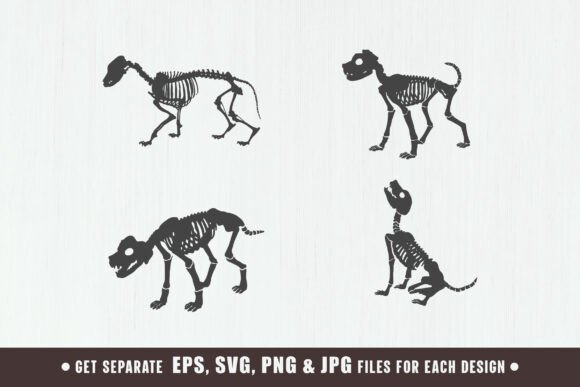
The Dog Skeleton Svg Dog Skeleton Silhouette is essentially a profile view of a dog skeleton, rendered as a solid shape. The spine, ribcage, skull, and tail are all present, but the artist has simplified the forms just enough to keep the design readable at embroidery scale. That matters more than most crafters realize. A design that looks incredible on a computer screen can turn into a muddy blob once it is stitched, especially if the original artwork relies on fine lines or tiny gaps. Here, the bones are thick enough to hold their shape in fill stitch or satin stitch, and the open spaces between ribs and limbs are wide enough that thread colors will not bleed together visually.
The file formats provided include EPS, SVG, JPG, and PNG for each design, along with a combined EPS, SVG, DXF, and JPG file. That level of format variety is rare in budget-friendly graphics, and it makes this design immediately useful across multiple workflows. Whether you are digitizing for a multi-needle machine, cutting heat transfer vinyl for a one-off shirt, or creating a printable mockup for an Etsy listing, you have the right file ready. For embroidery specifically, having a clean SVG is a huge time saver. It imports cleanly into most embroidery software without needing to trace or clean up jagged edges.
Real Case: Stitching This Design on a Tote Bag and a Sweatshirt
Last week, I used this design to create two completely different products. First, I made a custom embroidered tote bag for a friend who runs a small dog-walking business. She wanted something that felt professional but not corporate, and she specifically asked for something that dog people would recognize immediately. I hooped a 5x7 inch area on a medium-weight canvas tote, used a tear-away stabilizer, and stitched the skeleton in a single dark gray thread. The result was clean, crisp, and surprisingly elegant. The solid fill stitch held up well on the canvas texture, and the silhouette stood out without needing multiple thread colors.
For the second project, I used the same design on a black sweatshirt. I flipped the fill to a lighter gray with a slight metallic thread accent for the spine. The contrast on dark fabric was excellent. The skeleton shape remained readable even after a test wash cycle, and the stabilizer held the stitches firmly on the stretchy sweatshirt fabric. This design works for both personal gifts and small shop merchandise, and it is versatile enough to fit a range of customer personalities. If you are an Etsy seller looking for a design that appeals to dog lovers with a taste for the unusual, this is a solid candidate for your product lineup.
Where This Design Excels in Commercial Embroidery
In my experience, the Dog Skeleton Svg Dog Skeleton Silhouette performs best on products where the silhouette can take center stage. It is an ideal applique design if you want to layer fabric shapes, but it also stands alone beautifully as a single-color fill stitch project. Here are the product categories where I have seen it deliver strong results:
- Custom apparel: T-shirts, sweatshirts, and hoodies in both adult and children sizes. The design is simple enough to read on a chest or sleeve placement.
- Embroidered patches: Because the shape is solid and does not rely on tiny details, it sews out cleanly as a patch. You can cut around the outline and apply it to bags, jackets, or hats.
- Tote bags and aprons: The silhouette style fits well on canvas, denim, and twill. It adds a handmade, boutique feel without requiring dense stitching that might distort the fabric.
- Pillow covers and blankets: For home decor products, this design reads well at a distance and adds personality to an otherwise neutral piece.
- Holiday gifts and personalized products: For a dog-owning friend or family member, this design feels thoughtful and custom. It is not a generic bone or paw print, it is a real skeleton that shows you put time into the gift.
For craft business owners and handmade shop owners, this design also works well in printable mockups. Because the SVG and EPS files are clean, you can drop them onto a product photo and create a professional preview for your Etsy listing or social media post without needing advanced photo editing skills. That kind of flexibility is valuable when you are running a small shop and every minute counts.
Areas Where You Should Use This Design Carefully
No design is perfect for every situation, and the Dog Skeleton Svg Dog Skeleton Silhouette has a few limitations worth noting before you commit to a large production run. First, the design is a silhouette, so it relies entirely on the contrast between the thread color and the fabric color. If you stitch it on a medium-gray fabric with medium-gray thread, you will lose the entire shape. Always test your thread color against your fabric in natural light before stitching a final product.
Second, the design works best in a medium to large hoop size. If you try to place it in a 4x4 hoop, the ribcage and skull details may become too small to read clearly. The spine area is particularly vulnerable at small scales because it consists of many small bone shapes. I recommend a minimum hoop size of 5x7, and ideally 6x10 or larger if you want to preserve the proportions of the full skeleton. For very small products like baby onesies or cap fronts, you may need to scale the design down carefully and test the stitch-out before offering it to customers.
Third, be cautious with textured fabrics. Fleece, heavy knits, and fabrics with a lot of nap can absorb the stitches and blur the edges of the silhouette. If you are working with a textured fabric, use a cut-away stabilizer and consider increasing the stitch density slightly to keep the shape sharp. For stretchy fabrics like jersey or interlock, a stabilizer with good recovery properties is essential, or the design may pucker after washing.
Finally, if you are adding this design to a curved surface like a cap or a cylindrical bag, be aware that the solid fill areas may stiffen the fabric. The more thread you lay down, the less the fabric will flex. That works fine on a cap front if the cap has a structured shape, but on a soft beanie or a drawstring bag, the embroidery area may feel noticeably rigid.
Practical Designer Notes for the First Stitch-Out
Before you digitize or stitch this design for a paying customer, take the time to run through a few checks. These are the steps I follow for every new graphic, and they have saved me from dozens of ruined products:
- Test on scrap fabric first. Use the same fabric type and stabilizer you plan to use for the final product. Check the stitch-out for any gaps, pull points, or areas where the thread does not cover cleanly.
- Review stitch density. Because this is a solid silhouette, your digitizing software may default to a relatively dense fill. If the design feels stiff or heavy, reduce the density slightly or switch to a tatami fill with a lower count. You want the design to be durable, not board-like.
- Check thread color contrast. A black silhouette on a black sweatshirt is invisible. A white silhouette on a white towel is equally lost. Choose a thread color that sits at least two shades away from the fabric value. Light gray on dark navy, dark teal on cream, or red on charcoal all work beautifully.
- Inspect small details. The skull and tail tip are the two areas most likely to lose definition at small hoop sizes. Zoom in on your software and check that those areas will stitch as distinct shapes, not as blobs.
- Test in black and white mockups. Convert the design to grayscale in your software to see if the silhouette reads as a single shape or if the internal negative spaces get lost. If the negative spaces close up, you may need to widen them in your editing software before digitizing.
- Compare light and dark fabric backgrounds. If you plan to sell finished products in multiple colors, test the design on both a light fabric and a dark fabric with the same thread color to see how the background affects the silhouette. You may need different thread colors for different fabric bases.
These steps are especially important if you are selling finished products through a craft business or on Etsy. A single bad stitch-out can lead to a negative review or a return, and that is hard to recover from, especially when you are just building your reputation.
How This Design Affects Product Value and Customer Trust
One of the things I appreciate about the Dog Skeleton Svg Dog Skeleton Silhouette is how it elevates the perceived value of a finished product. When a customer sees an embroidered skeleton on a tote bag or a sweatshirt, they do not see a cheap iron-on decal. They see a sewn piece of art that required time, skill, and planning. That perception translates directly into higher perceived value, which means you can price your finished products at a premium compared to screen-printed or heat-transferred versions.
The design also carries a certain recognition factor. Dog lovers will identify the skeleton shape immediately, and that instant recognition builds trust. When a product feels like it was made for a specific audience, customers are more likely to buy it as a gift or as a personal treat. For small shop owners, this kind of targeted appeal is gold. You are not competing with every other shirt on the market. You are selling to a specific person who already loves your niche.
From a brand consistency standpoint, this design works well as part of a series. You could offer a matching set of pet skeleton silhouettes for cats, rabbits, or other animals. Customers who buy one product may come back for the entire collection. That kind of repeat business is the backbone of a sustainable craft business.
Commercial Use and Licensing Considerations
Before you start selling finished products made from this design, confirm the licensing terms that came with your purchase. The product listing mentions you will receive separate EPS, SVG, JPG, and PNG files, along with combined EPS, SVG, DXF, and JPG files, but it does not explicitly state the commercial use allowance. Many graphics in the Crafts category allow personal use and limited commercial use, but the specifics vary by seller. If you plan to use this design for commercial embroidery projects, Etsy listings, or any product you sell for profit, verify that your license covers that use. If it does not, contact the seller to upgrade or purchase a commercial license. That small step protects your business and your customers from future legal issues.
For digital product sellers who want to include this design in a bundle of embroidery files or design assets, the same caution applies. Never assume a graphic is free for redistribution. Check the terms, and when in doubt, reach out to the original creator. Most designers are happy to clarify their licensing, and many will offer reasonable terms for commercial use.
Final Thoughts for Embroidery Designers and Small Shop Owners
The Dog Skeleton Svg Dog Skeleton Silhouette is a well-constructed graphic that translates effectively into machine embroidery. It is simple enough to stitch cleanly on a first try, but distinctive enough to stand out in a crowded market. Whether you are creating a custom sweatshirt for a dog-loving friend, adding a new product to your Etsy shop, or building a cohesive line of pet-themed merchandise, this design gives you a strong foundation to work from.
Take the time to test it on your preferred fabrics, adjust your digitizing settings for the best stitch clarity, and always check your licensing before selling finished items. With those basics covered, you can confidently use this design in your embroidery projects, handmade products, and digital product previews. The dog skeleton market may be niche, but that is exactly where small shops thrive. Own your niche, stitch your designs well, and your customers will find you.