Dog Bowl SVG: An Embroidery Designer's Practical Review
When I first opened the Dog Bowl Svg file, I was looking at it the way I look at any design before I commit thread to fabric. I have been on both sides of the embroidery world—designing my own digital files and stitching out hundreds of projects for clients and my own small shop. So when I say I evaluate a design with a mix of excitement and caution, I mean it. This pet-themed graphic caught my attention because dog-related embroidery sells consistently, whether it is for custom apparel, handmade gifts, or boutique merchandise. But not every design that looks good on screen translates well into thread. Here is my honest take on Dog Bowl Svg as a real embroidery file for real projects.
The First Thing I Noticed About This Pet Design
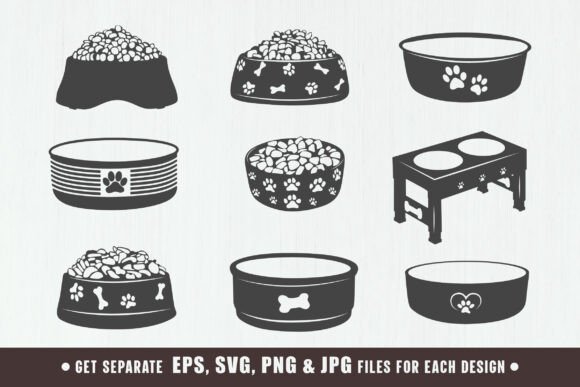
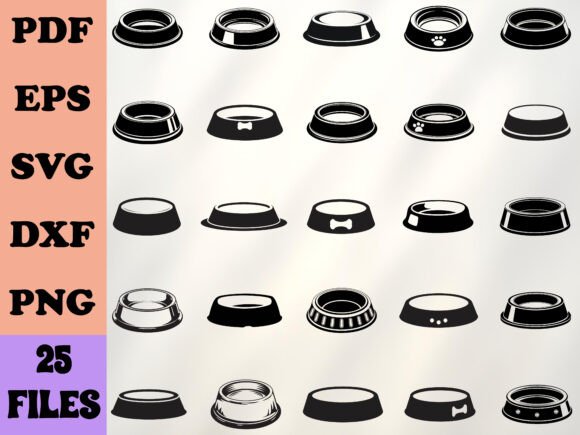
The Dog Bowl Svg has a clean, straightforward silhouette that immediately tells you what it is. There is no clutter, no excessive detail that would get lost in the first wash. The bowl shape is recognizable, and the overall mood is friendly and approachable. It feels like a design that belongs on a pet lover’s favorite tote bag or a sweatshirt worn during morning walks. The layout is balanced without being stiff, and the level of detail sits right where it needs to be for embroidery—clear enough to read from a few feet away, but not so simple that it looks like an afterthought.
From a designer’s perspective, this file falls naturally into the Crafts category. It has the kind of visual personality that works for both personal projects and commercial use. The vector files included—SVG, EPS, DXF, and PNG—give you flexibility whether you are digitizing for machine embroidery, creating a printable mockup, or preparing design assets for a customer preview. The fact that it was created without copyright constraint is a practical advantage for anyone running a craft business or selling finished products.
Putting Dog Bowl SVG to Work on a Custom Tote
I decided to test Dog Bowl Svg on a custom tote bag project. Tote bags are a staple in any embroidery shop, and they are one of the first products I recommend for new designs because the fabric is stable, the surface is flat, and the final result is easy to photograph for listings. I prepared a medium-weight cotton tote in a natural cream color. The contrast between a light background and a dark thread color makes the bowl shape pop immediately.
After converting the SVG to a machine embroidery file, I ran a test stitch on scrap fabric. The satin stitch outlines came out crisp, and the fill stitch areas laid down smoothly without any puckering. The stitch density felt appropriate—not so dense that the fabric puckered, and not so loose that the design looked unfinished. I used a medium-weight stabilizer and a 60-weight bobbin thread, which is my standard setup for tote bags. The design held its shape well, and the edges remained clean even after I handled the bag repeatedly.
This is the kind of result that makes a handmade product feel polished. If I were listing this tote in my Etsy shop, I would feel confident showing it in photos. The Dog Bowl Svg stitched out exactly as I hoped, and I could see customers responding to its clear, friendly look.
Best Project Types for This Embroidery Design
After testing the Dog Bowl Svg on a tote, I started thinking about where else this design would perform well. Here are the applications that stood out to me as natural fits:
- Custom apparel – Sweatshirts, t-shirts, and hoodies benefit from the design’s readable shape. It works as a chest or center-back placement.
- Embroidered patches – The clean outline makes it a strong candidate for patches that can be ironed or sewn onto bags, jackets, or caps.
- Baby embroidery – A small version on a baby onesie or bib would be adorable for a pet-themed nursery or a gift for new parents who love their dogs.
- Holiday gifts – Pet owners are always looking for personalized presents. A personalized gift with this design on a pillow cover or tea towel would be well received.
- Aprons and kitchen towels – The design fits naturally on a dog-themed apron or a set of towels for a pet-friendly kitchen.
- Small shop merchandise – If you sell products at craft fairs or through an online boutique, this design works for both display items and made-to-order pieces.
Because the file is provided as a digital embroidery file in multiple formats, you can resize it for different products without losing quality. That flexibility is valuable for anyone running a craft business or creating design assets for multiple listings.
Where I Would Be Careful Stitching This Design
No design is perfect for every surface, and Dog Bowl Svg has a few areas where I would use caution. The bowl shape itself is straightforward, but the details inside the design—such as any small text or fine lines—can become problematic if you are working with certain materials or hoop sizes.
- Small hoop sizes – If you try to stitch this design in a very small hoop, the details may lose clarity. I recommend testing at your intended size before committing to a production run.
- Textured fabrics – Fabrics like fleece, thick knits, or heavily textured materials can obscure the edges of the bowl. A tear-away stabilizer may not be enough; consider a cut-away stabilizer for these fabrics.
- Stretchy fabric – T-shirts and other knits require careful hooping and the right stabilizer to prevent distortion. The stitch density is moderate, but stretchy material can still pull the design out of shape.
- Dark fabric – If you stitch this design on a dark background, make sure your thread color contrasts well. A dark bowl on a dark shirt will disappear. Test a black-and-white printable mockup first to check visibility.
- Curved surfaces like caps – The design’s shape is wide, so it may not fit comfortably on a curved cap surface without distortion. If you attempt it, use a cap hoop and test carefully.
- Dense stitch areas – If you enlarge the design significantly, the fill stitch areas may become too dense for lightweight fabrics. Always test on a similar fabric before stitching the final product.
These are not dealbreakers. They are simply the kind of practical considerations I make before every embroidery project. Knowing where a design works best helps you avoid wasted thread and frustrated customers.
What This Design Does for a Finished Product
The Dog Bowl Svg brings a sense of warmth and familiarity to any finished product. It does not try to be overly clever or complicated. It is a design that feels honest, and that honesty translates into customer trust. When a buyer sees a clear, well-stitched design on a handmade product, they perceive the item as higher quality. That perception directly affects your product value and your ability to charge a fair price.
For Etsy sellers and small shop owners, this design also works well in printable mockups and listing photos. Because the shape is simple and recognizable, it photographs well from a distance and in close-up shots. I would use it in a listing for a personalized gift or a custom apparel item, and I would feel confident that the design would hold up after multiple washes. The satin stitch edges, when properly digitized, resist fraying, and the fill stitch areas maintain their shape over time.
From a branding perspective, the design fits into a boutique aesthetic without feeling too trendy. It has a classic quality that will still look good a year from now. That is important for commercial embroidery where you want your designs to have a longer shelf life.
Designer Notes Before You Hit Stitch
Before you load this design into your machine, here are a few notes based on my experience stitching it out:
- Test on scrap fabric first. Always. Even if the design looks perfect on screen, fabric and thread can behave unpredictably. Run a test stitch on a material similar to your final product.
- Check thread color contrast. The bowl shape needs to stand out. If you are stitching on a light fabric, use a dark thread, and vice versa. A low-contrast combination will make the design look flat.
- Review stitch density. If the design feels too dense during your test, reduce the density in your digitizing software or choose a lighter stabilizer. If it feels too loose, increase the density slightly.
- Confirm hoop size. Make sure the design fits within your hoop with at least half an inch of clearance on all sides. Crowding the hoop can cause registration issues.
- Inspect small details. If the design includes any fine lines or small text, check that they stitch clearly at your intended size. If they blur together, consider enlarging the design or simplifying the detail.
- Test in black and white mockups. Print a black-and-white version of the design to check contrast and readability. This is a quick way to spot potential issues before you thread the machine.
- Compare light and dark fabric backgrounds. Stitch the design on both a light and a dark fabric to see how the colors interact. You may need to adjust thread colors for different backgrounds.
- Use proper stabilizer. For most woven fabrics, a medium-weight cut-away stabilizer works well. For knits, use a cut-away with a bit more stability. For towels or fleece, consider a water-soluble topper to keep the stitches from sinking.
- Check licensing. The product description states that this vector was created without copyright constraint, which is a good sign for both personal and commercial embroidery. However, I always recommend double-checking the license terms for the specific file you download, especially if you plan to sell finished products or the digital embroidery file itself.
These steps may seem basic, but they save time, thread, and frustration. Every experienced embroiderer I know has a story about skipping a test and regretting it. Do not let that be you with this design.
Should You Add Dog Bowl SVG to Your Library?
If you work with pet-themed machine embroidery designs regularly, or if you are building a collection of design assets for your craft business, the Dog Bowl Svg is a solid addition. It is not the most complex design in the world, and it does not try to be. What it offers is reliability, clarity, and a friendly aesthetic that customers respond to. For apparel decorators, hobbyists, and creative entrepreneurs who need a dependable pet design that works across multiple product types, this file delivers.
I appreciated the format variety—SVG, EPS, DXF, and PNG—because it means I can use the design for both embroidery and printable mockups without converting files. The lack of copyright constraint also gives me peace of mind when I stitch it for client projects or small shop merchandise.
Would I use this design for a high-end bridal baby embroidery piece or a luxury boutique item? Probably not. The design is casual and playful, and it belongs in a casual context. But for a tote bag design, a sweatshirt embroidery, a set of embroidered patches, or a personalized gift for a dog owner, it is a strong choice. It stitches cleanly, photographs well, and holds up in production. That is exactly what I look for when I add a new design to my workflow.